Signs of Hidden Mold in Your Home and When to Test
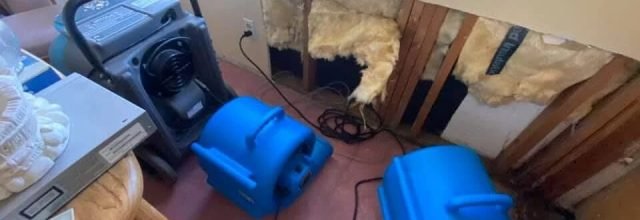
No, mold is not always visible. It grows wherever moisture and an organic surface meet, and many of those places are behind finished materials. Inspectors use instruments to find the conditions mold needs, then confirm what’s growing with a laboratory.
Mold is not always visible. It can develop behind walls, under flooring, inside ceilings, and in other areas where moisture accumulates. Even when there are no obvious stains, hidden mold may affect indoor air quality and indicate an unresolved water problem. Knowing what signs to look for can help homeowners decide when to arrange a professional mold inspection.
A timely home mold inspection can identify potential problem areas, determine whether further testing is necessary, and help prevent moisture-related damage from spreading.
Common Signs of Hidden Mold
Visible mold is only one possible indication of a problem. In many homes, the first warning signs are related to moisture, odors, or changes in building materials.
Pay attention to the following indicators:
- A persistent musty or damp smell, especially in enclosed rooms.
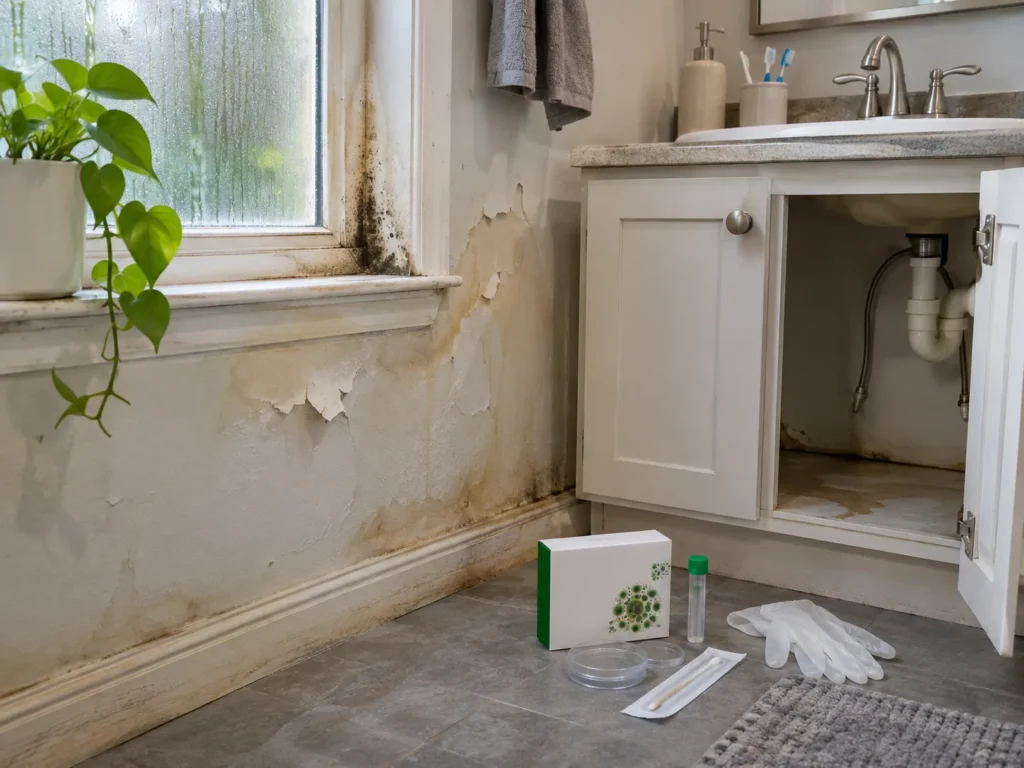
- Water stains, discoloration, or bubbling paint on walls and ceilings.
- Peeling wallpaper, warped flooring, or damaged baseboards.
- Repeated condensation on windows or cold surfaces.
- Previous leaks, flooding, or plumbing problems that were not fully dried.
These signs do not automatically confirm mold growth. However, they can indicate conditions that support it. If unusual odors or moisture problems continue, a residential mold inspection can help determine whether further investigation is needed.
Where Mold Can Grow Without Being Visible?
Hidden mold often develops in areas that are difficult to access during everyday cleaning. Moisture can remain trapped in building materials long after a leak has been repaired.
Behind Walls and Under Flooring
Drywall, insulation, and wooden framing can absorb water from plumbing leaks or exterior moisture. Mold may develop inside these materials while the visible surface appears normal.
Flooring can also conceal moisture. Water may collect beneath laminate, carpet, or hardwood, creating favorable conditions for microbial growth.
Bathrooms, Kitchens, and Basements
Bathrooms and kitchens experience frequent humidity and occasional leaks. Areas beneath sinks, around bathtubs, behind appliances, and near plumbing connections deserve attention.
Basements are particularly vulnerable because of limited ventilation, groundwater intrusion, and damp foundations. A house mold inspection can help assess these areas when musty odors or recurring moisture are present.
How Professional Mold Inspection Works?
A professional mold inspection involves more than looking for dark spots on walls. The inspector evaluates the property for moisture sources, visible damage, and conditions that may support mold growth.
Depending on the property, an inspection may include:
- A visual assessment of rooms, ceilings, walls, floors, and accessible building materials.
- Moisture measurements to identify areas with elevated moisture levels.
- Thermal imaging to locate temperature differences that may indicate concealed moisture.
- Recommendations for mold testing when additional information is needed.
Mold thermal imaging inspection can be useful for identifying suspicious areas behind certain surfaces. However, infrared equipment does not detect mold directly. It identifies temperature patterns that may be associated with moisture, so findings should be evaluated alongside other inspection methods.
| Inspection method | What it helps identify |
| Visual inspection | Visible mold, staining, and water damage |
| Moisture meter | Elevated moisture in building materials |
| Thermal imaging | Temperature patterns that may indicate hidden moisture |
| Air sampling | Mold spores present in indoor air |
| Surface sampling | Mold or fungal material on a specific surface |
When Should You Consider Mold Testing?
Not every damp area requires laboratory testing. In some cases, identifying and correcting the moisture source is the most important first step. However, testing may be appropriate when the presence or extent of mold is uncertain.
Consider professional mold testing when:
- A musty odor remains despite cleaning and ventilation.
- You suspect mold behind walls, ceilings, or flooring.
- The property has experienced significant water damage.
- Visible growth has been found in several areas.
- You need additional information before or after remediation.
Water damage and mold inspection can be especially valuable after flooding, roof leaks, or plumbing failures. Even if the affected materials appear dry, moisture may remain inside concealed cavities.
Why Early Detection Matters?
Ignoring moisture problems can lead to more extensive damage. Mold may spread to adjacent materials when favorable conditions remain, potentially increasing the amount of work required to address the issue.
A professional mold inspection company can help identify suspicious areas and determine whether sampling is appropriate. Professional mold inspection services may also be useful before purchasing a property, after water damage, or when preparing a building for renovation.
Homeowners should avoid covering stains with paint or removing potentially contaminated materials without understanding the extent of the problem. These actions may hide visible evidence without addressing the underlying moisture source.
How to Reduce the Risk of Mold Growth?
Prevention starts with moisture control. Regular maintenance and prompt repairs can reduce the likelihood of mold developing in hidden areas.
Keep indoor humidity under control, repair plumbing leaks as soon as possible, and make sure bathrooms and kitchens have adequate ventilation. After a leak or flood, dry affected materials promptly and check for moisture that may remain beneath surfaces.
Schedule a Mold Inspection When Warning Signs Appear
A persistent musty smell, recurring condensation, unexplained water stains, or a history of leaks should not be ignored. These conditions may indicate hidden moisture and possible mold growth.
A qualified inspection can help determine where further investigation is needed and whether mold testing should be performed. Identifying moisture problems early gives homeowners a clearer understanding of their property’s condition and helps them make informed decisions about the next steps.
Title: Signs of Hidden Mold and When to Test Your Home
Description: Learn how to recognize hidden mold, identify moisture problems and determine when a professional mold inspection or testing is needed.