
Lead Testing Services
Visual inspection, lab testing, and environmental risk assessment. That’s all we do, and it’s why our findings stay independent.
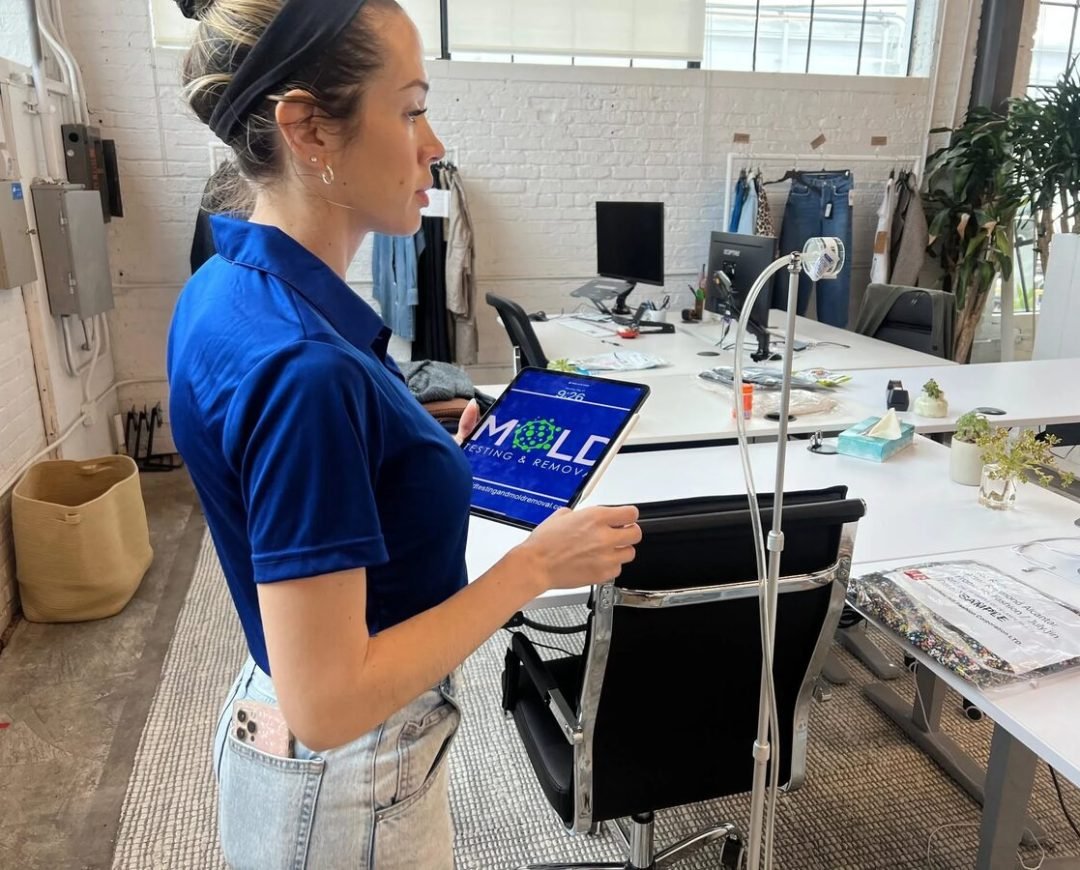
Lead Testing Services We Provide
- Lead Paint Testing
- Lead Dust Wipe Testing
- Lead Surface Testing
- Lead Clearance Testing
- Lead Soil Testing
Lead can be present in older paint, soil, water, and other materials found around residential and commercial properties. Identifying potential lead contamination is important when evaluating a property, planning renovation work, or investigating possible environmental hazards.
Safe Site Env provides lead testing services to help property owners investigate suspected lead contamination and obtain additional information through appropriate testing methods. Depending on the material being evaluated, testing may involve sample collection, specialized equipment, and laboratory analysis.
Residential Lead Testing
Residential lead testing helps homeowners investigate potential lead hazards in and around their properties. Older homes may contain lead-based paint, while surrounding soil and water sources can also require evaluation depending on the property’s history and environmental conditions.
A home lead test can help determine whether a particular material requires further attention. Testing may be especially relevant before renovation, when evaluating older painted surfaces, or when investigating suspected contamination.
Potential testing areas include:
- Painted surfaces and suspected lead-based paint.
- Soil around older residential buildings.
- Water samples when lead contamination is suspected.
- Materials identified during a previous lead inspection.
Lead Paint Testing
Lead paint testing helps determine whether painted surfaces contain lead. This is particularly important in older buildings where lead-based paint may remain beneath newer layers of coating.
One available method is X-ray fluorescence (XRF). X-ray fluorescence lead testing uses specialized equipment to evaluate painted surfaces without necessarily removing large samples of material.
When additional confirmation is required, paint samples may be collected and submitted for laboratory analysis. The appropriate method depends on the surface, property conditions, and purpose of the assessment.
Soil and Water Lead Testing
Lead contamination is not limited to painted surfaces. Soil surrounding older buildings may contain lead from deteriorated exterior paint or historical sources of contamination.
Soil lead testing involves collecting samples for analysis to determine whether lead is present in the tested material. This can provide useful information when evaluating outdoor areas, gardens, and soil near older structures.
Lead testing in water may also be appropriate when there are concerns about potential contamination from plumbing components or other sources. Water samples require suitable collection and analytical procedures to obtain meaningful results.
When Should You Schedule Lead Testing?
Consider arranging testing if:
- You own an older property with potentially lead-containing paint.
- You are planning renovation or maintenance work.
- You suspect contamination in soil surrounding your building.
- You have concerns about possible lead in your water supply.
- A previous inspection identified materials that require further analysis.
Lead Testing Methods
Different materials require different testing approaches.
| Testing method | Purpose |
| XRF testing | Evaluate lead in painted surfaces |
| Paint sampling | Analyze suspected lead-based coatings |
| Soil sampling | Assess potential lead contamination in soil |
| Water sampling | Investigate possible lead in water |
| Laboratory analysis | Determine lead content in submitted samples |
Lead Inspection vs. Lead Testing
A lead inspection focuses on evaluating a property and identifying painted surfaces or materials that may contain lead. Lead testing involves examining specific materials or samples to determine whether lead is present.
These services can complement each other when assessing older properties, preparing for renovation, or investigating potential environmental contamination.
Schedule Lead Testing with Safe Site Env
Understanding whether lead is present in building materials or environmental samples can help property owners make informed decisions. Testing provides additional information about suspected contamination and can help determine whether further assessment or corrective action is necessary.
Contact Safe Site Env to discuss your concerns and arrange lead testing. Whether you need to investigate painted surfaces, evaluate soil, or test water for potential lead contamination, our team can help you understand the appropriate next steps.
A Clear Path From Concern to Next Steps
The exact process depends on the property and service required, but most projects begin with understanding the condition before deciding what action is appropriate.
Call For An InspectionContact Us
Tell us what you are seeing and what concern you have about the property.
Evaluate
Inspect, test or evaluate moisture conditions depending on the situation.
Determine Next Steps
Review the observed conditions and determine what additional service may be appropriate.
Complete the Work
Proceed with testing, remediation or related property services based on the project.
Need Help Choosing the Right Mold Service?
Call Mold Testing & Mold Removal in Los Angeles. We are available 24 hours a day, 7 days a week.
Mold inspection FAQ
If you notice a musty odor, staining, recent water damage or unexplained symptoms, an inspection helps confirm what is going on before you spend money on repairs. The inspector looks for moisture sources and visible growth and decides whether sampling makes sense.
Mold exposure can trigger allergy-like symptoms, irritation and breathing problems, especially for children, older adults and people with asthma. An inspection and lab results show what is present so you can talk to a doctor and plan remediation with real data.
The inspector walks the whole property, checks problem areas with moisture meters and thermal imaging, documents conditions with photos and collects samples where they are needed.
Most residential visits take one to two hours. Larger homes and commercial properties can take longer - we confirm the expected time when you book.
We collect air samples (spore trap method) and surface samples (swab, tape lift or bulk) depending on the situation. Each sample goes to an independent laboratory.
Turnaround depends on the test type and laboratory schedule. We explain the available timing before samples are collected.
Visible growth usually needs remediation, but testing helps define how far contamination spreads and gives a baseline for clearance testing afterward.
Yes. Post-remediation verification confirms the cleanup was successful before walls are closed or occupants return.
A review of the property for mold, moisture, asbestos and lead concerns, with sampling selected around the building and your specific questions.
Yes. We support residential and commercial properties, renovation planning, due diligence and post-remediation clearance needs.
Older buildings can contain asbestos or lead-based paint. Testing before renovation or demolition protects workers and occupants and keeps the project compliant.
SafeSite serves Los Angeles County and surrounding communities. Send the property address and we will confirm availability.