Is Mold Always Visible? What Moisture Meters and Thermal Cameras Can and Can’t Detect
No, mold is not always visible. It grows wherever moisture and an organic surface meet, and many of those places are behind finished materials. Inspectors use instruments to find the conditions mold needs, then confirm what’s growing with a laboratory.
Why Mold Can Grow Where You Can’t See It
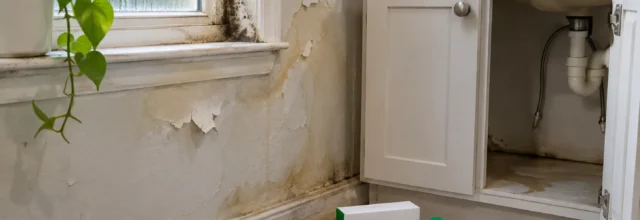
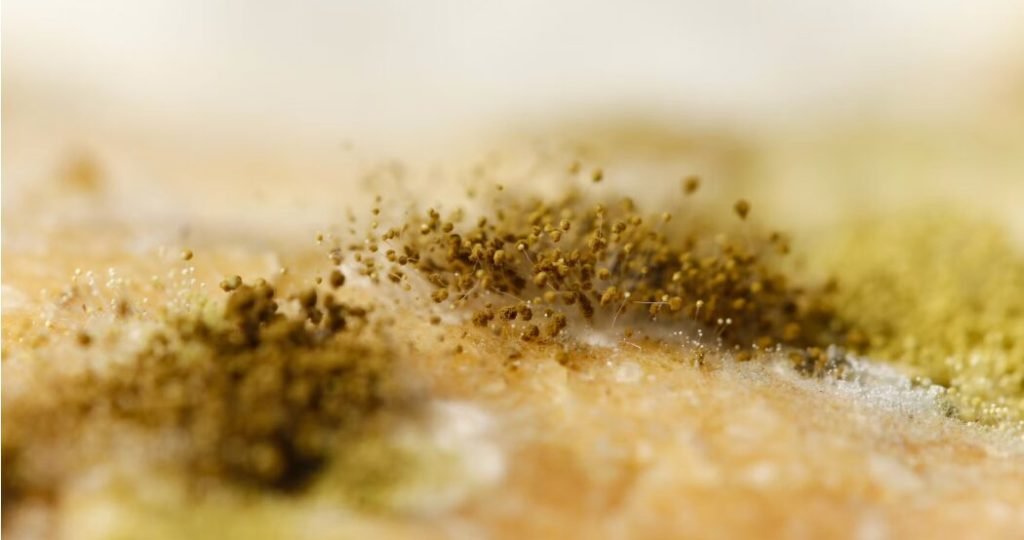
Mold needs moisture, a food source, and time. Drywall paper, wood framing, insulation backing, and subflooring are all food. Moisture gets into those materials from slow plumbing leaks, roof and flashing failures, condensation, and ground moisture, and it often does so inside wall cavities, under flooring, in crawl spaces, and above ceilings.
In those locations, the finished surface can look completely normal while the material behind it stays wet. By the time a stain or a patch of growth shows up on the surface, the problem behind it has usually been active for a while.
What a Moisture Meter Measures
A moisture meter measures how much moisture is in a material, such as wood or drywall. Pin-type meters read moisture content at the point where the pins are inserted. Pinless meters scan the area beneath the surface without making holes.
- What it tells you. Whether a material is wetter than it should be, and how that compares with dry material nearby.
- What it doesn’t tell you. Whether mold is present. Wet material is the condition mold needs, not proof that mold has started.
- Limits. Readings can be affected by the type of material, surface coatings, metal behind a wall, and how deep the meter reads. A reading is interpreted against dry reference readings, not a single universal number.
How Thermal Cameras Fit In
A thermal camera shows surface temperature differences. Damp materials often read cooler than the dry areas around them, which helps an inspector decide where to take moisture readings. A temperature pattern alone is not a moisture reading and is never proof of mold.
- Scan walls, ceilings, and floors for unusual temperature patterns.
- Confirm suspect areas with a moisture meter.
- Collect air or surface samples where the findings support it.
- Send samples to an independent laboratory for analysis.
Instruments point to the conditions mold needs. Only a laboratory can confirm what is actually growing.
SafeSite inspection team
If you suspect hidden moisture, read more about our inspection and testing services or call us to schedule a visit.